NHC SF Member Blog: Chronic Care Management - Improving Outcomes Beyond the Clinic
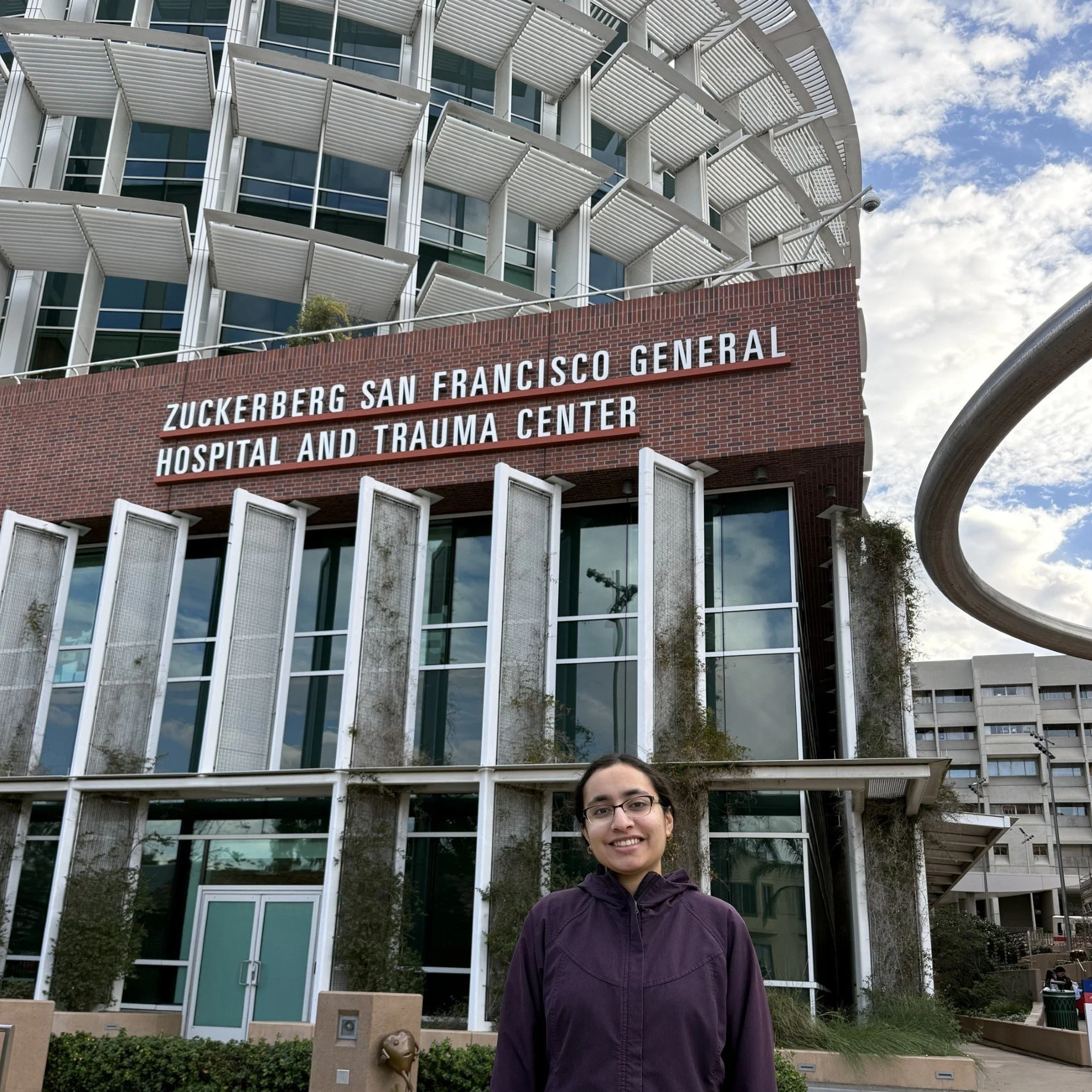
My name is Abeerah Siddiqui, and I am a National Health Corps (NHC) San Francisco member serving with the San Francisco Department of Public Health's Value-Based Care Team as one of the Value-Based Care Coordinators for the 2025-2026 term. In this role, I support a variety of quality improvement initiatives aimed at improving access to healthcare for San Francisco's safety-net population. So far in my term, I have learned that improving health outcomes often begins with listening, especially to those patients whose voices are least represented.
The Chronic Care Model for Diabetes Management (CCM-DM) Program was first started in 2021 and aims to support patients who have A1c levels greater than 9%. A1c measures a person's average levels of blood glucose over the past 3 months, and a high A1c (>6.5%) indicates that an individual has Type 2 Diabetes. CCM-DM was piloted at Maxine Hall Health Center and Silver Avenue Family Health Center and continues to focus on clinics with the highest percentages of patients with diabetes. The program involves patients meeting with a pharmacist, nutritionist, and completing routine lab work while also receiving food and grocery vouchers over the span of six months.
At Value-Based Care, we began supporting CCM-DM outreach for Family Health Center in November 2025. In 2024, BAA adults were 24% more likely to be diagnosed with diabetes than adults of the total population, and Latinx adults were 13% more likely. Because of this, our focus has been on increasing participation of Black/African American (BAA) and Latinx patients in CCM-DM, and supporting them in managing their A1c levels.
Talking with patients over the phone has given me immense insight into the barriers they navigate every day in order to access basic services. Many patients often do not have access to reliable transportation or time outside of their work to make it to their appointments. In one conversation, a patient shared their concerns about balancing additional appointments on top of their demanding work schedule if they were to enroll in CCM-DM. Their job required them to be up early every morning and be on their feet all day long. By discussing their routine and availability, I collaborated with the patient to identify optimal appointment times that fit their schedule without negatively impacting their daily responsibilities.
Conducting outreach for CCM-DM has reshaped how I think about chronic disease management. I’ve come to better understand that effective public health interventions must acknowledge the realities of patients’ lives, not just their lab reports. These conversations continue to reinforce the importance of culturally-responsive care and affirm my commitment to working at the intersection of public health and healthcare delivery. As an NHC member, I value being able to support programs like CCM-DM that recognize every patient’s story. Each outreach call reminds me that improving health outcomes begins with sustained support. As I move forward in my service term, I look forward to continuing to support this work and contributing to a health system that prioritizes access to healthcare.
About the Author
Abeerah Siddiqui is one of the 2025-2026 NHC San Francisco AmeriCorps Members. She is currently serving as one of the Value-Based Care Coordinators with the San Francisco Department of Public Health’s Value-Based Care Team.